
FIFA World Cup 2026: Key Match Schedule, Venues And Format Explained

FIFA World Cup 2026: Key Match Schedule, Venues and Format Explained — Qualification pathways and participating teams
Qualification pathways determine which national teams participate and thus shape the pool of competitors for the scheduled match calendar. Confederation-based qualification systems typically allocate a set number of tournament slots to each regional confederation; these allocations influence how many teams from a given region appear in the group stage. Qualification tournaments and playoffs are generally completed prior to the final tournament draw, allowing organizers to prepare a full match schedule and to assign teams to groups pursuant to seeding and draw procedures.
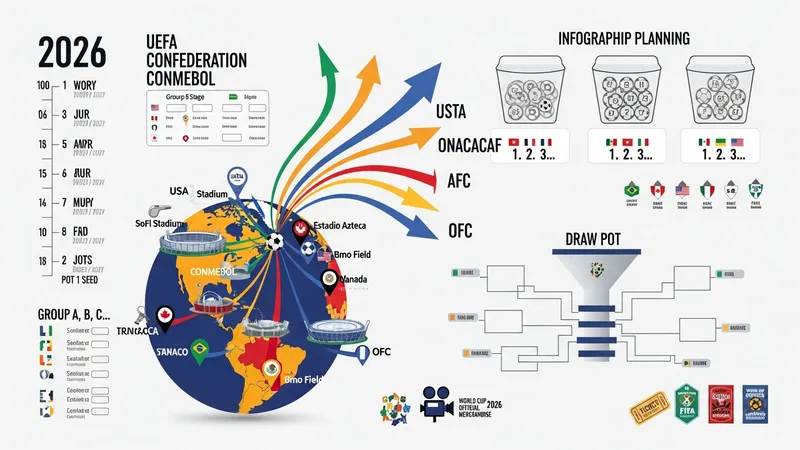
The timing of qualification completion affects schedule planning because confirmed team lists allow organizers to manage broadcast licensing, ticketing allocations, and match marketing within specific windows. Seeding principles used in the final draw commonly rely on world rankings and past performance; these seedings affect group composition and competitive balance. Draw pots and seeding restrictions (for example, limiting the number of teams from one confederation per group) are often applied to promote geographic diversity within groups and to honor competition rules.
Participating teams’ travel and recovery needs post-draw may be considered when finalizing venue assignments. National teams that face longer travel distances between scheduled matches may receive fixtures in venue clusters to reduce transit demands. Because the tournament includes multiple matchdays over weeks, teams typically plan training blocks and rest windows that align with the published match calendar. Organizers may publicize team itineraries and stadium allocations in stages to manage logistics and maintain clarity for teams and supporters.
Playoff and intercontinental qualification matches may remain pending late in the pre-tournament timeline; organizers therefore sometimes reserve provisional scheduling slots or provide timetable flexibilities to accommodate late confirmations. While the final team list generally becomes fixed before the tournament draw, contingency protocols for replacements or schedule adjustments exist within competition regulations in case of exceptional circumstances affecting a qualified team before kickoff.